CAD 359,944CAD 288,692
Interactive demonstration farm
Fictional examples. Nothing is saved.See your next move across the whole farm.
More land changes more than field work. Explore the crops, machines, grain facilities and cash behind one connected plan.
Your sample operation
Central Plains–Pembina Valley, Manitoba · 2026 · CADMeadow Ridge grain farm
Productive land3,000 acres
- Total property area
- 3,200 acres
- Tractors
- 3
- Combines
- 1
- Sprayers
- 1
- Grain carts
- 1
- Grain trucks
- 2
A fictional non-irrigated Manitoba crop farm. Published benchmarks inform the budget; its rotation, machinery, field layout and financing are chosen example assumptions.
What if you added more land?
Added land
Season
Current productive land3,000 acres
Planned productive land3,563 acres
Added productive land: 563 acres
Compare your approach
What changes for the farm?
Use the farm’s existing machines, crew and grain facilities.
What this approach includes
The existing fleet handles the current and added land. Any seasonal or connected grain-flow shortfall remains visible until a workable plan is established.
Planned productive land: 3,563 acres. Annual cash change: -CAD 71,252. Cash needed: CAD 1,697,250. Capacity needs attention.
This plan needs more capacity.Grain handling and storage is short by 551.1 tonnes in Peak autumn inventory.Why this result?
Tightest capacity check: Grain handling and storage · Peak autumn inventory
- Current need
- 3,327.3 tonnes
- Planned need
- 3,951.1 tonnes
- Available
- 3,400 tonnes
Peak marketable grain retained after planned sales. Wet-buffer storage is separate and is not added to dry-grain capacity.
What changes the annual cash
- Change in crop receipts
- +CAD 346,148
- Change in cash outgoings
- +CAD 417,401
- Annual cash change
- -CAD 71,252
Cash outgoings include operating costs, ownership costs and loan payments.
The cash result assumes the full crop is produced and sold. Resolve capacity shortfalls before relying on it.
New borrowing: CAD 2,835,000
CAD 495.39CAD 534.34
Cash projection is conditional on completing the work. A capacity shortfall does not automatically reduce crop receipts in this example. Before income tax and household withdrawals. All amounts are illustrative CAD.
Explore what drives the result
Select a machine or open the numbers. Every view uses the same farm plan.
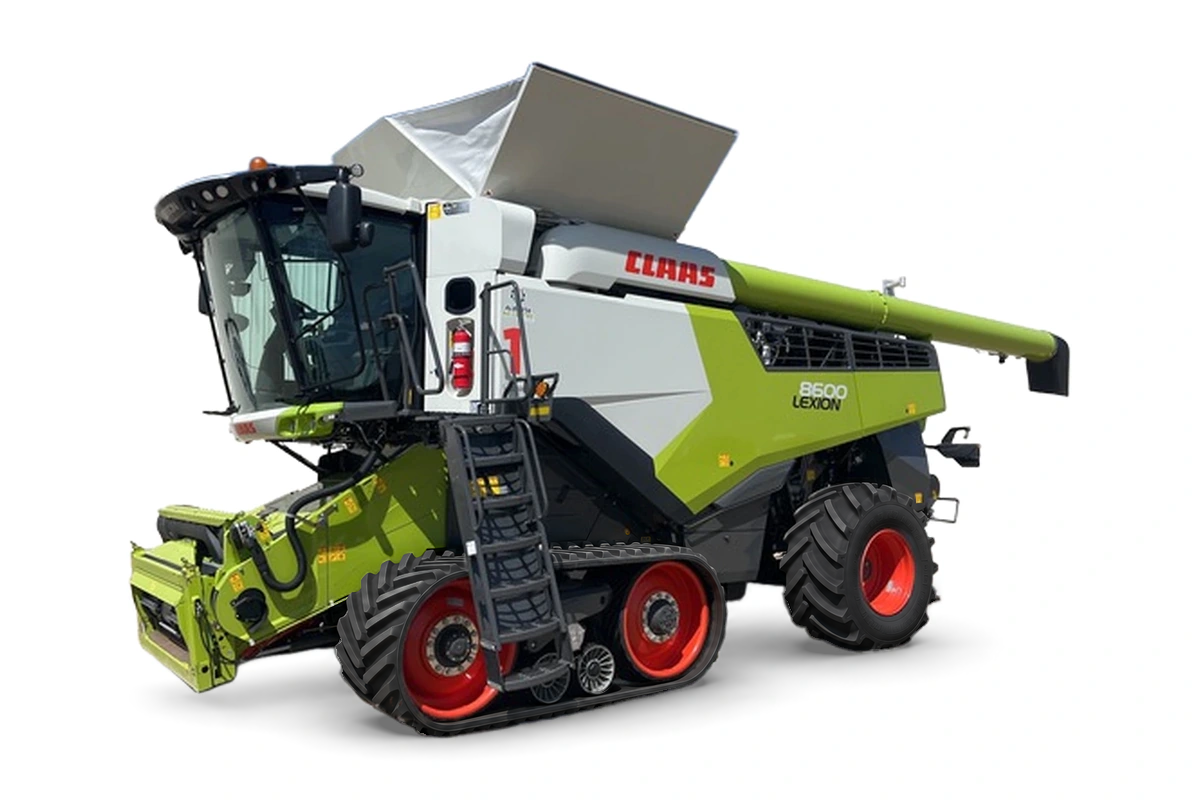
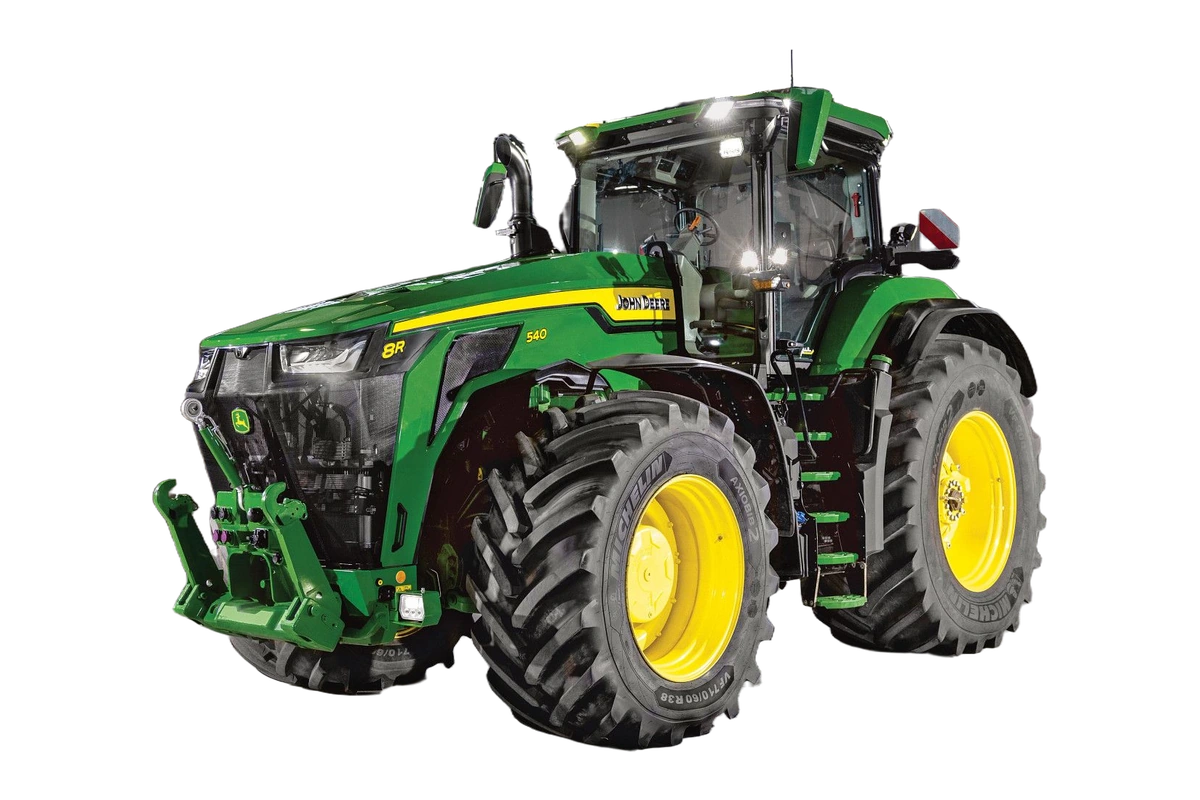
Representative equipment imagery. Work rates and costs use the example assumptions.
Field work
Harvest
Grain handling
From crop receipts to annual cash
Operating costs, ownership and loan payments stay separate. Upfront cash is shown below.
| Annual farm cash | Current | Planned | Change |
|---|---|---|---|
| Crop receipts | CAD 1,846,125 | CAD 2,192,273 | +CAD 346,148 |
| Operating cash costs | CAD 1,035,846 | CAD 1,233,535 | +CAD 197,688 |
| Ownership cash costs | CAD 309,860 | CAD 320,660 | +CAD 10,800 |
| Loan payments · principal + interest | CAD 140,475 | CAD 349,387 | +CAD 208,913 |
| Annual cash after loan payments | CAD 359,944 | CAD 288,692 | -CAD 71,252 |
Annual cash is not accounting profit. Loan principal is a cash payment; depreciation is a non-cash cost.
Operating cash cost / productive acreCAD 345.28CAD 346.26
Operating cost breakdown
- Seed
- CAD 209,400CAD 248,663
- Fertilizer and nutrients
- CAD 386,334CAD 458,772
- Crop protection
- CAD 112,050CAD 133,059
- Crop insurance
- CAD 54,024CAD 64,154
- Machinery fuel
- CAD 68,482CAD 82,967
- Machinery and dryer repairs
- CAD 54,215CAD 64,961
- Paid operators
- CAD 68,353CAD 82,411
- Drying energy
- CAD 63,490CAD 75,395
- Grain handling and storage energy
- CAD 19,497CAD 23,153
- Contracted field work
- CAD 0CAD 0
- Contracted hauling, drying and storage
- CAD 0CAD 0
Ownership cost breakdown
- Land rent
- CAD 204,800CAD 204,800
- Land property taxes and insurance
- CAD 34,560CAD 45,360
- Equipment and facility ownership cash costs
- CAD 40,500CAD 40,500
- Farm administration and overhead
- CAD 30,000CAD 30,000
Loan payment breakdown
- Existing loan payments
- CAD 140,475CAD 140,475
- New land loan payments
- CAD 0CAD 208,913
- New capacity loan payments
- CAD 0CAD 0
Depreciation & profit
- Non-cash depreciation
- CAD 189,067CAD 195,067
Planned profit before tax: CAD 217,970. Depreciation and loan interest are included; principal repayments are excluded.
Cash needed to put the plan in place
One-time investment and seasonal funding are separate from the annual costs above.
- Land deposit / equity
- CAD 1,215,000
- Land closing costs
- CAD 81,000
- Land improvements
- CAD 120,000
- Equipment deposit / equity
- CAD 0
- Seasonal funding allowance
- CAD 281,250
- Total cash needed
- CAD 1,697,250
The seasonal allowance is an entered planning amount, not a month-by-month cash-flow forecast. It is not charged again as an annual expense.
Financing details
Monthly installments are totaled for the first year. Rates are entered annual percentages; these are illustrative repayment schedules.
Existing farm debt
- Opening principal
- CAD 1,500,000
- Annual payment
- CAD 140,475
- First-year interest
- CAD 70,473
- First-year principal
- CAD 70,001
- Closing principal
- CAD 1,429,999
- Rate / repayment period
- 4.8% / 15 years
Added land loan
- Opening principal
- CAD 2,835,000
- Annual payment
- CAD 208,913
- First-year interest
- CAD 154,569
- First-year principal
- CAD 54,344
- Closing principal
- CAD 2,780,656
- Rate / repayment period
- 5.5% / 25 years
Added equipment loan
- Opening principal
- CAD 0
- Annual payment
- CAD 0
- First-year interest
- CAD 0
- First-year principal
- CAD 0
- Closing principal
- CAD 0
- Rate / repayment period
- 5.5% / 10 years
Can the whole chain keep up?
Check shared machines and crew, then follow the crop through harvest, transport, drying and storage.
Harvest flow by crop
Farm-operated grain moves through one connected chain. Wet-grain storage lets harvesting continue while drying catches up. Shared harvest windows are checked together below.
Corn
36.7 wet tonnes/hourPace set by: Grain dryer
- Harvest time
- 121 h
- Waiting within harvest
- 5.8 h
Throughput & grain handling
- Combine potential
- 38.5 wet tonnes/hour
- Grain cart
- 74.6 wet tonnes/hour
- Grain trucks
- 68.2 wet tonnes/hour
- Grain dryer
- 35 wet tonnes/hour
- Wet-grain buffer capacity
- 200 tonnes
- Peak wet grain waiting
- 200 tonnes
- Dryer operating time
- 126.7 h
- Harvest and drying completed
- 126.7 h
Soybeans
13.2 wet tonnes/hourPace set by: Combine
- Harvest time
- 92.7 h
- Waiting within harvest
- 0 h
Throughput & grain handling
- Combine potential
- 13.2 wet tonnes/hour
- Grain cart
- 51.5 wet tonnes/hour
- Grain trucks
- 68.2 wet tonnes/hour
- Grain dryer
- Drying not required
- Wet-grain buffer capacity
- 0 tonnes
- Peak wet grain waiting
- 0 tonnes
- Dryer operating time
- 0 h
- Harvest and drying completed
- 92.7 h
Hard red spring wheat
23 wet tonnes/hourPace set by: Combine
- Harvest time
- 111.3 h
- Waiting within harvest
- 0 h
Throughput & grain handling
- Combine potential
- 23 wet tonnes/hour
- Grain cart
- 60.9 wet tonnes/hour
- Grain trucks
- 68.2 wet tonnes/hour
- Grain dryer
- Drying not required
- Wet-grain buffer capacity
- 0 tonnes
- Peak wet grain waiting
- 0 tonnes
- Dryer operating time
- 0 h
- Harvest and drying completed
- 111.3 h
Main field tractor
66.5 h availableAutumn field-work and harvest window
- Current need
- 135 h
- Planned need
- 163.5 h
- Available
- 230 h
Assigned work, travel, handling, support and waiting share this resource's available window.
Main field tractor
106.3 h availableSpring field-work window
- Current need
- 102.7 h
- Planned need
- 123.7 h
- Available
- 230 h
Assigned work, travel, handling, support and waiting share this resource's available window.
Planting tractor
18.7 h shortSpring field-work window
- Current need
- 205.5 h
- Planned need
- 248.7 h
- Available
- 230 h
Assigned work, travel, handling, support and waiting share this resource's available window.
Grain-cart and fertilizer tractor
98.5 h availableSpring field-work window
- Current need
- 106.9 h
- Planned need
- 131.5 h
- Available
- 230 h
Assigned work, travel, handling, support and waiting share this resource's available window.
Grain-cart and fertilizer tractor
16.3 h availableAutumn field-work and harvest window
- Current need
- 177.9 h
- Planned need
- 213.7 h
- Available
- 230 h
Assigned work, travel, handling, support and waiting share this resource's available window.
Grain-cart and fertilizer tractor
3.7 h availableSummer harvest window
- Current need
- 92.2 h
- Planned need
- 111.3 h
- Available
- 115 h
Assigned work, travel, handling, support and waiting share this resource's available window.
Self-propelled sprayer
3 h availableFirst crop-care window
- Current need
- 54.3 h
- Planned need
- 69 h
- Available
- 72 h
Assigned work, travel, handling, support and waiting share this resource's available window.
Self-propelled sprayer
3 h availableSecond crop-care window
- Current need
- 54.3 h
- Planned need
- 69 h
- Available
- 72 h
Assigned work, travel, handling, support and waiting share this resource's available window.
Self-propelled sprayer
9.3 h availableThird crop-care window
- Current need
- 16.3 h
- Planned need
- 20.7 h
- Available
- 30 h
Assigned work, travel, handling, support and waiting share this resource's available window.
Combine
16.3 h availableAutumn field-work and harvest window
- Current need
- 177.9 h
- Planned need
- 213.7 h
- Available
- 230 h
Assigned work, travel, handling, support and waiting share this resource's available window.
Combine
3.7 h availableSummer harvest window
- Current need
- 92.2 h
- Planned need
- 111.3 h
- Available
- 115 h
Assigned work, travel, handling, support and waiting share this resource's available window.
Grain hauling and attendance
16.3 h availableAutumn field-work and harvest window
- Current need
- 177.9 h
- Planned need
- 213.7 h
- Available
- 230 h
Assigned work, travel, handling, support and waiting share this resource's available window.
Grain hauling and attendance
3.7 h availableSummer harvest window
- Current need
- 92.2 h
- Planned need
- 111.3 h
- Available
- 115 h
Assigned work, travel, handling, support and waiting share this resource's available window.
Grain hauling and attendance
199 h availableGrain marketing delivery period
- Current need
- 253.5 h
- Planned need
- 301 h
- Available
- 500 h
Assigned work, travel, handling, support and waiting share this resource's available window.
Grain hauling and attendance
16.3 h availableAutumn field-work and harvest window
- Current need
- 177.9 h
- Planned need
- 213.7 h
- Available
- 230 h
Assigned work, travel, handling, support and waiting share this resource's available window.
Grain hauling and attendance
3.7 h availableSummer harvest window
- Current need
- 92.2 h
- Planned need
- 111.3 h
- Available
- 115 h
Assigned work, travel, handling, support and waiting share this resource's available window.
Grain hauling and attendance
199 h availableGrain marketing delivery period
- Current need
- 253.5 h
- Planned need
- 301 h
- Available
- 500 h
Assigned work, travel, handling, support and waiting share this resource's available window.
Corn harvest chain
1 h shortCorn harvest window
- Current need
- 101 h
- Planned need
- 121 h
- Available
- 120 h
Harvest time includes the slowest connected grain-flow stage and finite wet-buffer storage. Waiting is included in machine attendance and paid crew time.
Soybeans harvest chain
7.3 h availableSoybeans harvest window
- Current need
- 76.9 h
- Planned need
- 92.7 h
- Available
- 100 h
Harvest time includes the slowest connected grain-flow stage and finite wet-buffer storage. Waiting is included in machine attendance and paid crew time.
Hard red spring wheat harvest chain
3.7 h availableHard red spring wheat harvest window
- Current need
- 92.2 h
- Planned need
- 111.3 h
- Available
- 115 h
Harvest time includes the slowest connected grain-flow stage and finite wet-buffer storage. Waiting is included in machine attendance and paid crew time.
Grain drying
11.7 h shortCorn drying window
- Current need
- 106.7 h
- Planned need
- 126.7 h
- Available
- 115 h
All incoming wet corn must finish drying; buffer storage postpones drying but does not remove this work.
Dry-grain storage
551.1 tonnes shortPeak autumn inventory
- Current need
- 3,327.3 tonnes
- Planned need
- 3,951.1 tonnes
- Available
- 3,400 tonnes
Peak marketable grain retained after planned sales. Wet-buffer storage is separate and is not added to dry-grain capacity.
Paid operator time
112.8 h availableAutumn field-work and harvest window
- Current need
- 862.6 h
- Planned need
- 1,037.2 h
- Available
- 1,150 h
Paid task and waiting hours are counted once per operator. Attached implements and headers do not add another operator.
Paid operator time
646.1 h availableSpring field-work window
- Current need
- 415.1 h
- Planned need
- 503.9 h
- Available
- 1,150 h
Paid task and waiting hours are counted once per operator. Attached implements and headers do not add another operator.
Paid operator time
291 h availableFirst crop-care window
- Current need
- 54.3 h
- Planned need
- 69 h
- Available
- 360 h
Paid task and waiting hours are counted once per operator. Attached implements and headers do not add another operator.
Paid operator time
291 h availableSecond crop-care window
- Current need
- 54.3 h
- Planned need
- 69 h
- Available
- 360 h
Paid task and waiting hours are counted once per operator. Attached implements and headers do not add another operator.
Paid operator time
129.3 h availableThird crop-care window
- Current need
- 16.3 h
- Planned need
- 20.7 h
- Available
- 150 h
Paid task and waiting hours are counted once per operator. Attached implements and headers do not add another operator.
Paid operator time
129.6 h availableSummer harvest window
- Current need
- 369 h
- Planned need
- 445.4 h
- Available
- 575 h
Paid task and waiting hours are counted once per operator. Attached implements and headers do not add another operator.
Paid operator time
1,898 h availableGrain marketing delivery period
- Current need
- 506.9 h
- Planned need
- 602 h
- Available
- 2,500 h
Paid task and waiting hours are counted once per operator. Attached implements and headers do not add another operator.
Harvest crew coverage
0 operators availableConcurrent harvest chain
- Current need
- 5 operators
- Planned need
- 5 operators
- Available
- 5 operators
One combine, one cart tractor and two trucks need four operators. A fifth available person provides intermittent dryer attendance when corn needs drying.
Workload, shared tractors, crew and grain facilities are checked together. Storage uses peak inventory after planned deliveries.
Field jobs and equipment
Farm-operated jobs are shown below. Contracted added work is priced separately in Costs & cash.
Autumn primary tillage2,494 acres · 1 passes · 163.5 h
Spring seedbed preparation1,603 acres · 1 passes · 105.1 h
Corn and soybean planting2,138 acres · 1 passes · 143.6 h
Spring wheat drilling1,425 acres · 1 passes · 123.7 h
Spring fertilizer application3,563 acres · 1 passes · 131.5 h
First crop-care pass3,563 acres · 1 passes · 69 h
Second crop-care pass3,563 acres · 1 passes · 69 h
Third corn crop-care pass1,069 acres · 1 passes · 20.7 h
Corn harvest1,069 acres · 1 passes · 121 h
Soybean harvest1,069 acres · 1 passes · 92.7 h
Spring wheat harvest1,425 acres · 1 passes · 111.3 h
The land behind the plan
Productive area drives crops and field work. Total added area drives the land agreement.
- Owned land
- 1,920 acres2,520 acres
- Rented land
- 1,280 acres1,280 acres
Corn30% of productive land
900 acres1,069 acres- Marketable yield / acre
- 3.683 tonnes
- Sale price / tonne
- CAD 226.37
- Planned crop receipts
- CAD 891,070
- Planned crop inputs
- CAD 388,758
Grain & moisture
- Marketable grain
- 3,936.4 tonnes
- Wet grain handled
- 4,435 tonnes
- Harvest / target moisture
- 25% / 15.5%
- Peak stored grain
- 2,834.2 tonnes
Crop input assumptions
- Seed / productive acre
- CAD 100.00
- Nutrients / productive acre
- CAD 201.71
- Protection / productive acre
- CAD 34.25
- Insurance / productive acre
- CAD 27.79
- Base yield / acre
- 3.683 tonnes
- Base sale price / tonne
- CAD 226.37
- Combine’s assumed work rate
- 10.7 acres / hour
Soybeans30% of productive land
900 acres1,069 acres- Marketable yield / acre
- 1.143 tonnes
- Sale price / tonne
- CAD 468.48
- Planned crop receipts
- CAD 572,316
- Planned crop inputs
- CAD 194,694
Grain & moisture
- Marketable grain
- 1,221.6 tonnes
- Wet grain handled
- 1,221.6 tonnes
- Harvest / target moisture
- 13% / 13%
- Peak stored grain
- 733 tonnes
Crop input assumptions
- Seed / productive acre
- CAD 90.00
- Nutrients / productive acre
- CAD 50.35
- Protection / productive acre
- CAD 23.25
- Insurance / productive acre
- CAD 18.57
- Base yield / acre
- 1.143 tonnes
- Base sale price / tonne
- CAD 468.48
- Combine’s assumed work rate
- 13.6 acres / hour
Hard red spring wheat40% of productive land
1,200 acres1,425 acres- Marketable yield / acre
- 1.796 tonnes
- Sale price / tonne
- CAD 284.76
- Planned crop receipts
- CAD 728,888
- Planned crop inputs
- CAD 321,195
Grain & moisture
- Marketable grain
- 2,559.6 tonnes
- Wet grain handled
- 2,559.6 tonnes
- Harvest / target moisture
- 14% / 14%
- Peak stored grain
- 1,919.7 tonnes
Crop input assumptions
- Seed / productive acre
- CAD 32.00
- Nutrients / productive acre
- CAD 132.90
- Protection / productive acre
- CAD 50.25
- Insurance / productive acre
- CAD 10.25
- Base yield / acre
- 1.796 tonnes
- Base sale price / tonne
- CAD 284.76
- Combine’s assumed work rate
- 15.3 acres / hour
Crop storage peaks occur at different times. The farm capacity check uses overlapping inventory.
Real satellite imagery with illustrative boundaries. These representative fields are not a map of the full demonstration farm. Photography dates vary by location.
Imagery © Esri, Maxar, Earthstar Geographics, and the GIS User Community
Example basis & sources
Planning year 2026 · Assumptions reviewed Oct 26, 2026
A fictional non-irrigated Manitoba crop farm. Published benchmarks inform the budget; its rotation, machinery, field layout and financing are chosen example assumptions.
- Manitoba 2026 crop budgets
Crop yields, deferred-delivery prices and individual seed, nutrient, protection and insurance budgets. These are planning guides; insurance uses 2025 rates.
- Manitoba 2026–2027 farm machinery guide
Work-rate, fuel and separate ownership/operating-cost methods. Machinery sizes, used values and workflow allowances are chosen for this example; bundled custom rates are not added to owned-machine costs.
- FCC 2025 farmland values
Central Plains–Pembina Valley cultivated-land reference. The example weights that value by its productive share; this is not a valuation or a current offer.
- FCC 2025 farmland rental analysis
Manitoba's provincial rent/value ratio informs an illustrative rent. It is not a quoted regional lease.
Adjust the example assumptions
These are fictional planning inputs, not market quotes or manufacturer performance claims. Changes apply to the same current and planned farm so the comparison stays consistent.
Land
Finance
Production
Capacity
Results use the last applied inputs. Unknown or incomplete edits are never treated as zero.
Fixed farm assumptions
Current farm costs
- Existing rent / total acre
- CAD 160.00
- Land taxes & insurance / owned acre
- CAD 18.00
- Farm overhead / year
- CAD 30,000
- Land improvement life
- 20 years
Current grain logistics
- Existing fields · one-way haul
- 8 km
- Average truck travel speed
- 50 km/h
- Truck payload
- 30 tonnes
- Load + unload / trip
- 0.45 h
- Market deliveries · one-way haul
- 40 km
- Market load + unload / trip
- 0.65 h
- Grain-cart throughput
- 90 wet tonnes/hour
- Handling energy / tonne
- CAD 3.00
Usable work windows
- Spring field-work window
- 230 h
- First crop-care window
- 72 h
- Second crop-care window
- 72 h
- Third crop-care window
- 30 h
- Summer harvest window
- 115 h
- Autumn field-work and harvest window
- 230 h
- Grain marketing delivery period
- 500 h
Hours available to each machine. Crew hours also depend on the number of operators.
Storage timing: 75% of wheat remains in summer and 15% in autumn, alongside 72% of corn and 60% of soybeans.
What is included in this model?
- Fictional non-irrigated Manitoba crop farm, planned in CAD for 2026. Benchmarks are dated guides, not live quotes, farm records or manufacturer performance claims.
- The farm has 3,000 productive acres within 3,200 total property acres. Cropped area drives production; total property area drives land purchase, rent and land ownership charges.
- Crop budgets use Manitoba's 2026 planning yields, deferred-delivery prices and individual crop inputs. Insurance figures in that guide use 2025 rates; optional hail cover is not included here.
- Modeled assigned hours separate productive work, travel and handling, operator support and waiting. They are not engine-meter forecasts or a complete daily work diary.
- Field rates use width, speed and stated efficiency. Field movements, sprayer filling and operator setup are shown separately; the same allowance is never charged twice.
- Harvest uses one combine, one cart and two trucks. Their connected workload includes finite wet-buffer storage; waiting has paid attendance but engines off in this example.
- Dryer throughput and energy use a 25% incoming-corn reference, scaled by moisture removed and a handling limit. This is a simplified planning relationship, not a manufacturer drying curve.
- Marketable yield is already at sale moisture. Wet hauling and drying preserve dry matter; storage uses the peak retained marketable grain, with separate wet-buffer capacity.
- Annual market deliveries are modeled separately from field-to-yard movements. Grain retained after harvest is sold during the separate marketing period; prices are held constant.
- Paid operators are charged once for assigned task hours, including waiting. Five available seasonal operators are not five full-year salaries; no additional owner-labour opportunity cost is charged.
- Fuel and repairs follow active phases. Repair budgets include maintenance service; operator support covers setup and cleaning, without duplicating mechanic labour.
- Fictional used-asset values, residual values and remaining lives determine straight-line economic depreciation. Insurance and housing are explicit value-based allowances; registration and facility upkeep are separate cash amounts.
- Cash outgoings include principal and interest payments. Profit before tax includes interest and depreciation, excluding principal repayments. Land itself does not depreciate.
- Seasonal funding is an upfront allowance, not a second annual expense. Existing debt retains its own rate and remaining repayment period.
- Shared work windows and available crew are planning screens, not a dispatch schedule. Crop receipts remain conditional on completing work; no unverified yield-loss penalty is invented.